

The 23-Year-Old Influencer Who Broke the Internet by Leaving It
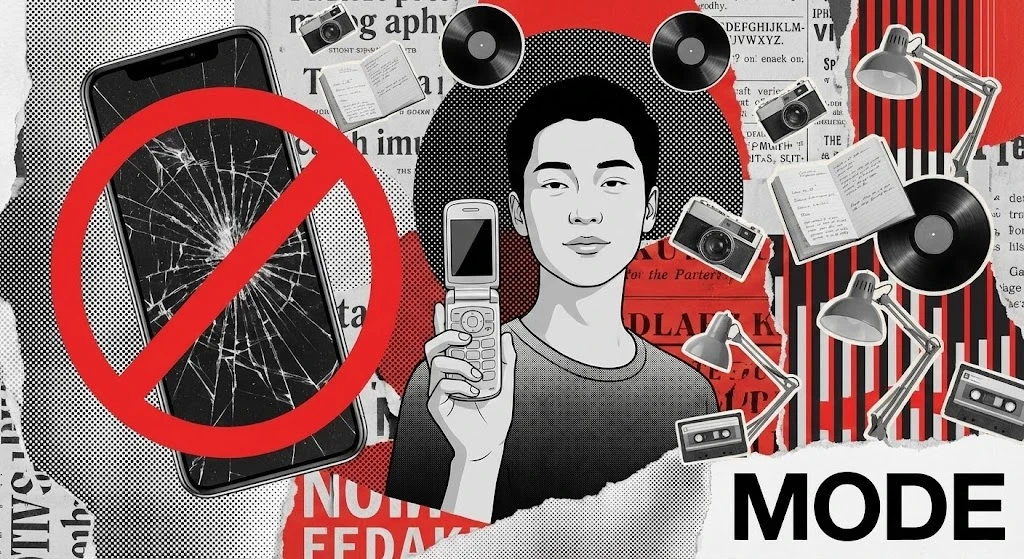
Last Tuesday, I watched something beautiful happen. A 23-year-old TikTok creator with 100K followers sat across from her millennial coworker at a coffee shop in Brooklyn, explaining why she’d just bought a flip phone. Not as content. Not as a bit. Because she was done. So yes…Gen Z is ditching Smart Tech for good.
“My iPhone was basically a $1,200 anxiety machine,” she said, snapping the Nokia shut with the satisfaction of someone who’d just quit a toxic job. “Every six minutes, it interrupted my life to tell me someone I don’t know had opinions about their breakfast.”
The millennial stared like she’d just announced she was moving to Mars. “But how do you… exist?”
“I exist better.”
I’ve been tracking this trend for months, and that conversation perfectly captures what’s happening: Gen Z ditching smart tech isn’t just teenage rebellion. It’s the first generation raised by algorithms deciding they want a divorce from their digital parents. And the data backing this cultural shift? Absolutely wild.
We’re watching digital natives choose flip phones over iPhones, film cameras over Instagram filters, vinyl records over Spotify algorithms. Physical books over audiobooks at 2x speed. The trend of Gen Z ditching smart tech represents systematic rejection of the very technology that was supposed to define them forever.
The irony cuts deep: the generation everyone assumes can’t survive without technology is teaching the rest of us how to live with less of it.

The Numbers Behind Gen Z Ditching Smart Tech
Ready for some statistics that’ll make tech executives break out in cold sweats?
Flip phone sales jumped 5% in 2024, according to NPD Group. That’s not your grandpa finally upgrading from his rotary phone. That’s 22-year-olds buying Nokia brick phones like they’re limited-edition sneakers, purely because they want technology that shuts up when they tell it to.
Film camera sales exploded 31% year-over-year, reports CIPA. These are people who’ve never lived without digital photography choosing to pay for film development like it’s 1995. They’re literally paying extra to take fewer, more intentional photos.
Vinyl sales hit $1.4 billion in 2024, says the RIAA. The biggest buyers? 18-24 year-olds. They’re buying records to play in apartments where they pay premium prices for gigabit internet they’re actively trying to ignore.
The beautiful irony could power a small city.
Plot twist: This isn’t happening because Gen Z doesn’t understand technology. It’s happening because they understand it too well. Pew Research shows Gen Z has the highest awareness of digital manipulation tactics of any generation. They lived through Facebook’s timeline becoming an algorithmic nightmare designed to steal attention. These people also watched as TikTok’s AI learned their deepest insecurities and serve them back as “content.”
They know exactly how the digital sausage gets made. And they’ve decided to go vegetarian.

Tech Minimalism Goes Viral (Ironically)
I spent weeks infiltrating Gen Z “digital minimalist” communities. Yes, they have Discord servers dedicated to not using Discord. The cognitive dissonance is chef’s kiss perfect.
“My iPhone was basically a dopamine slot machine disguised as a productivity tool,” Maya, 23, told me while showing off her flip phone like it was a rare Pokémon card. “Every notification was scientifically designed to trigger my fight-or-flight response. The Nokia just… vibes until someone actually needs me.”
These kids served as unwitting beta testers for the attention economy. They were lab rats for infinite scroll, crash test dummies for push notifications, guinea pigs for algorithmic feeds calibrated to be more addictive than actual narcotics. Now they’re adults with fully developed brains, looking around at their collectively microwaved attention spans and asking the most reasonable question possible: “Wait, what happened to us?”
The data from Stanford’s Digital Economy Lab validates their horror. Average smartphone users check their devices 96 times daily. Gen Z stares at screens 7.5+ hours per day. Sixty percent report anxiety when separated from their phones. Attention spans dropped from 12 to 8 seconds since smartphones became ubiquitous.
“We were raised by algorithms,” explains Marcus, 21, who ditched his iPhone after realizing he’d taken 47,000 photos in 2023 and actually looked at maybe 200. “Everything we consumed was optimized to keep us consuming. But what if we just… didn’t?”
The rebellion has developed surprisingly sophisticated rules. This isn’t random Luddite behavior – it’s calculated digital resistance. (Read more of Kai’s cultural trend analysis for deeper insights into how digital culture evolves.)

Rule 1: Your Devices Shouldn’t Have Feelings
Smart devices are basically needy digital boyfriends. They demand constant attention, get jealous when you use other apps, and somehow make you feel guilty for having a life outside them. Your smartwatch passive-aggressively reminds you to stand up. The smart TV in your living room stalks your viewing patterns and suggests shows like a creepy ex who still has your Netflix password. Your smart fridge orders groceries without permission like that friend who always assumes they know what you want for dinner.
The rebellion asks a simple question: when exactly did we agree that our appliances should have opinions about our lifestyle choices?
Rule 2: Free Apps Are Actually Very Expensive
This generation understands platform capitalism better than most Harvard MBAs who paid $200K to learn about “synergistic value propositions.” They know that “free” social media apps make money by strip-mining attention, harvesting emotional responses, and selling psychological profiles to advertisers who want to convince them they need stuff they can’t afford.
“Instagram kept showing me ads for therapy apps right after showing me content that made me need therapy,” laughs Jake, 22, who deleted all social media six months ago and now spends his former scrolling time learning guitar. “It’s like if drug dealers also sold rehab programs. Create the problem, sell the solution.”
Pure evil genius, honestly.

How Gen Z Ditching Smart Tech Sparked Silicon Valley Panic
Tech companies are panicking harder than Windows Vista users trying to find their files. Gen Z controls $143 billion in spending power, according to Bloomberg. They’re not just early adopters – they’re the golden goose that’s supposed to lay algorithmic eggs forever.
And they’re walking away from the farm.
Warning signs flash everywhere: Smartphone upgrades hit record lows. Social media usage among 18-24 year-olds dropped for the first time since MySpace taught us HTML was a personality trait. Gen Z ditching smart tech for analog alternatives creates a “digital wellness” boom as people pay money to avoid technology they already bought.
The industry response? About as smooth as Internet Explorer trying to load a video.
Instead of asking “maybe our products cause psychological damage?” they’re doubling down with the technological equivalent of putting racing stripes on a hearse. Coming soon to your dystopian nightmare: Smart mirrors that analyze your skin and suggest products like judgmental beauty influencers. Smart pillows that monitor sleep patterns and wake you “optimally” (translation: whenever advertisers pay the most). Smart contact lenses with notifications because apparently our eyeballs needed alerts too.
Gen Z looks at this innovation roadmap and responds with the most elegant rebellion possible: They buy flip phones and cosplay 2003.
The aesthetic revolution drives real market shifts. Gen Z cracked a crucial code: analog tech looks cooler than digital tech. A vinyl collection says something different about your personality than a Spotify playlist. A film camera around your neck communicates intentionality in ways an iPhone camera bump never could.
“It’s about being deliberate,” explains Aisha, 23, showing me her vintage camera collection. “When everything’s instant and infinite, rare and limited becomes special.”
This aesthetic choice creates tangible economic effects: Polaroid cameras selling like it’s 1999. Record stores opening in major cities for the first time in decades. Film photography courses waitlisted at universities. Vintage flip phones selling on eBay for more than their original retail price.
The beautiful irony? Gen Z uses TikTok and Instagram to show off how they’ve quit TikTok and Instagram. They’re going viral by rejecting virality.

The Economics of Digital Rebellion
Plot twist: the minimalism rebellion actually saves money. A lot of money.
Monthly cost breakdown reveals the financial genius:
- iPhone 15 Pro + unlimited plan + apps + subscriptions: ~$200/month
- Flip phone + basic plan: ~$30/month
- Money saved annually: $2,040
“I saved enough switching to a flip phone to buy a really nice film camera,” Tyler, 26, explains. “Now instead of infinite mediocre photos, I take 30 great ones monthly. My Instagram grid has never looked better, and I actually remember taking each picture.”
The math works across categories. Vinyl records force you to buy music you actually want to own instead of paying monthly fees to stream songs you’ll forget. Film cameras make you think before shooting instead of taking 47 identical photos of your lunch. Physical books don’t have subscription fees or mysterious algorithm changes that hide content you’ve already purchased.
“Digital minimalism costs 60% less than digital maximalism,” calculates Alex, 24, whose flip phone/vinyl/film setup replaced their previous iPhone/Spotify/cloud storage lifestyle while delivering what they describe as “massively better life satisfaction.”
Meanwhile, tech companies scramble to co-opt the movement with all the grace and subtlety of a bull in a china shop that’s also somehow trying to sell you the broken dishes.
Apple offers “Screen Time” controls that help you use your iPhone less while keeping you locked in an ecosystem stickier than flypaper. It’s like casinos installing clocks and then acting surprised when people still lose track of time.
Google provides “Digital Wellbeing” features that remind you to put down the Pixel phone they spent $4 billion making literally irresistible to human psychology. Wellness theater performed by the same actors who designed your addiction.
Meta creates “Take a Break” reminders that pop up while their algorithms work overtime preventing you from actually taking breaks. Mark Zuckerberg suggesting you spend less time on Facebook feels like a dealer recommending moderation – technically good advice, questionable source credibility.
Corporate gaslighting at its absolute finest. (This pattern fits perfectly with our broader analysis in Reality Check articles about tech industry manipulation tactics.)

Gen Z Ditching Smart Tech Lessons
The Gen Z rebellion offers practical wisdom for anyone drowning in the attention economy. Their strategies work regardless of age:
24-Hour Rule: Wait a full day before downloading any new app or buying any new device. Most impulse tech purchases solve problems that don’t actually exist outside marketing departments.
One Thing Rule: Each device should excel at one specific task. Phones should call people. Cameras should take pictures. Music players should play music. When everything does everything, nothing works particularly well.
Analog Backup Strategy: For every digital tool you rely on, maintain an analog backup. Keep paper calendars. Print important photos. Own physical books. Digital tools fail constantly; analog tools just work.
Attention Audit: Track how much time you spend on different devices and apps. Most people discover they spend 2+ hours daily on applications they don’t even enjoy using.
This movement isn’t about returning to caves or rejecting all technology. Gen Z minimalists still use tech – they’re just incredibly selective about which technology gets access to their attention.
They’ll use GPS to navigate but refuse social media for socializing. They stream music at home but buy vinyl for albums they love. They use laptops for work but flip phones for personal life. They’ve figured out how to be intentional about digital consumption instead of accidentally addicted to it.
“Technology should enhance your life, not replace it,” Maya explains. Her phone only makes calls and sends texts, but her vinyl collection could probably fund a small startup. “The goal isn’t to hate technology. It’s to make sure technology serves you instead of the other way around.”
Smart companies already adapt to this shift. Nothing creates concept phones that strip smartphone features down to essentials. Mudita designs “mindful” phones specifically to minimize distraction. Light makes cameras that only take photos – no video, no filters, no instant sharing capabilities.

The Mainstream Flip
What started as niche rebellion became mainstream cultural movement faster than anyone expected. Digital minimalism conferences sell out. “Dumb phone” reviews get millions of YouTube views. Major retailers expand analog technology sections to meet demand.
Even tech executives join the movement. Former Google design ethicist Tristan Harris advocates for “humane technology” that respects human psychology instead of exploiting it. Ex-Facebook VP Sean Parker publicly criticizes social media’s attention-hacking techniques as fundamentally harmful to human wellbeing.
The ultimate validation came when Apple – yes, Apple – quietly released a $199 “iPhone SE Classic” in 2024. Calls, texts, and music only. No internet, no apps, no notifications. It sold out in 48 hours.
Beautiful irony: Gen Z, supposedly hopelessly addicted to technology, teaches older generations how to develop healthier relationships with digital tools. The movement of Gen Z ditching smart tech creates ripple effects across all demographics.
“Mom saw my flip phone and got curious,” Zoe laughs. “Now she reads actual books instead of scrolling Facebook for three hours nightly. I accidentally cured her news anxiety and she sleeps better.”
Millennials trapped in optimization mindset watch Gen Z choose less and wonder if they’ve been approaching productivity completely backwards. Gen X rediscovers analog tools they abandoned for digital convenience during the early internet boom. Even Boomers pay attention.
“My grandson taught me about digital minimalism,” Barbara, 67, explains. “Turns out I don’t need a smart TV, smart thermostat, and smart doorbell. Regular versions work perfectly fine and don’t collect data about my private life.”
The generational knowledge transfer flows upward for once.

Less Tech, More Life
The most punk rock thing you can do in 2025 isn’t learning to code or building an app or optimizing your productivity stack with seventeen different software subscriptions.
It’s buying a flip phone and using it.
Shooting film instead of digital and actually printing the photos.
Listening to vinyl instead of streaming and building a collection that means something.
Choosing tools that excel at specific tasks instead of poorly attempting everything simultaneously.
Gen Z figured out what older generations still struggle to understand: The ultimate life hack isn’t downloading more apps to manage the apps you already downloaded. It’s deleting everything and starting over with intention.
They grew up as digital natives and deliberately chose to become analog immigrants. They’re rejecting the future their parents built for them and creating something different – where technology serves human needs instead of corporate growth metrics.
The rebellion isn’t just against smart technology. It’s against the assumption that newer always means better, that more always means improved, that faster always equals superior.
Sstupid tech can actually demonstrate more intelligence than smart tech.
Sometimes kids understand things better than adults who should know better.
Sometimes the most radical action available is flipping your phone closed and walking away from the digital circus entirely.
Because in a world specifically designed to steal your attention every six seconds, consciously choosing where to focus becomes the ultimate act of rebellion against algorithmic authority.
Want to explore more insights about how Gen Z reshapes technology culture? Check out our Culture Meets Code archives for deeper analysis of tech-culture intersections.


Leave a Reply